





Clean and green technologies are no longer limited to large factories or global brands. Today, smaller businesses face rising energy costs, tighter environmental rules, and growing pressure from buyers to reduce their impact. Without the right support, adopting cleaner machines or energy-saving systems can feel expensive and risky.
This is where policy reforms play a key role. Governments and development institutions are changing how they support MSMEs by offering incentives instead of penalties. Lower-interest loans, shared infrastructure, certifications, and digital tools are making green adoption more practical.
This article explains the policy reforms that help MSMEs move toward clean and green technologies, how these reforms reduce cost and risk, and what they mean for everyday business decisions.
What Clean And Green Technologies Mean For MSMEs?
Clean and green technologies refer to tools and processes that reduce energy use, cut pollution, and improve resource efficiency.
For MSMEs, this includes energy-efficient machinery, rooftop solar systems, waste-reduction processes, water-saving solutions, and cleaner production methods.
These technologies help lower operating costs, meet compliance needs, and improve competitiveness without changing the core business model.
Why Policy Support Is Critical For MSME Green Adoption?
For MSMEs (Micro, Small, and Medium Enterprises), going green isn’t just about tech, it’s about survival. Cost, risk, and everyday business pressures all play a role. That’s why policy support is so important: it helps make green choices both realistic and affordable.
High Upfront Costs Are a Major Barrier
Clean technologies like energy-efficient machines or solar systems don’t come cheap. And most MSMEs don’t have the spare cash to cover those big upfront costs. This is where government incentives and subsidies come in, they help ease the financial load and make it possible to take that first step.
Financing Isn’t Always a Good Fit
Green projects often need loans with longer terms and lower interest. But traditional financing doesn’t always work that way. Policy-backed green finance options step in with better terms, like lower interest rates, longer repayment windows, and easier collateral requirements, making clean investments a lot more doable.
Risk Makes Everyone Hesitate
New tech always feels a bit risky, especially when it’s unclear how fast it’ll pay off. Banks worry, and so do business owners. Policy tools like credit guarantees and risk-sharing programs reduce that uncertainty. That means fewer doubts for lenders and more confidence for MSMEs to go green.
Competing on Cost Is Tough
In tight markets where every penny counts, MSMEs often can’t afford to lose even a small edge on pricing. Green upgrades might raise short-term costs, and that’s risky. Smart policy support makes sure businesses can boost their sustainability without hurting their competitive position.
Shift In Policy Approach: From Regulation To Incentives
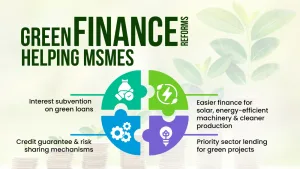
In the past, environmental policies were mostly about rules and penalties. For MSMEs, that often meant pressure without much help. But now, things are shifting, today’s policies are more supportive, offering real incentives to help small businesses go green.
From Punishment to Progress
Old-school policies focused on strict compliance. If you didn’t meet the rules, you paid the price, literally. But for MSMEs with limited resources, that just added stress without solving the root problems. The new model is less about punishment and more about helping businesses improve over time.
Making Green Choices Worthwhile
Instead of forcing change, newer policies encourage it. MSMEs now get access to things like interest subsidies, grants, or public recognition. These perks turn sustainability into a smart business move, not just a legal checkbox.
Lowering the Risk of Going Green
Green upgrades can feel risky, financially and operationally. That’s why current policies help spread that risk. Tools like credit guarantees, partial risk sharing, and blended finance options make it safer and more practical for MSMEs to invest in clean tech.
Tying Rewards to Real Results
Rather than handing out incentives across the board, today’s policies reward performance. The more energy you save or emissions you cut, the more support you can get. This results-based approach keeps things fair, focused, and effective.
Financial And Credit Reforms Supporting Green Technologies
Financial reforms play a direct role in helping MSMEs adopt clean and green technologies. These reforms reduce borrowing costs, improve loan access, and lower the risk for both businesses and lenders.
Interest Subvention For Green Projects
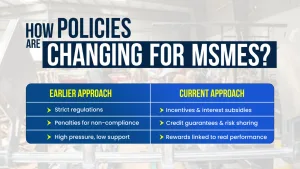
Interest subvention schemes reduce the cost of borrowing for green investments. MSMEs investing in solar panels, energy-efficient machinery, or cleaner production systems receive loans at lower interest rates. This makes monthly repayments manageable and improves project viability.
Risk Sharing And Credit Guarantee Mechanisms
Many green projects are seen as risky due to new technology or uncertain payback periods. Risk-sharing facilities address this by covering a part of the lender’s loss in case of default. With reduced risk exposure, banks are more willing to fund MSME green projects.
Priority Sector Lending For Green MSMEs
Green MSME loans are now included under priority sector lending. This requires banks to allocate a portion of their lending to such projects. As a result, MSMEs find it easier to access credit for renewable energy, energy efficiency, and clean technology upgrades.
Certification And Market-Based Policy Reforms
Certification and market-linked reforms help MSMEs adopt clean technologies by improving credibility and creating demand-side benefits. Instead of forcing compliance, these reforms reward sustainable behaviour with financial and market advantages.
ZED Certification As A Policy Tool
The ZED certification follows a graded approach that evaluates quality, environmental impact, and process efficiency. MSMEs with higher ratings receive larger subsidies for technology upgrades and often get better loan terms from banks. This encourages gradual improvement rather than one-time compliance.
Green Public Procurement Policies
Governments now reserve a portion of public procurement for MSMEs and give preference to units with green practices. This creates assured demand for sustainable businesses and makes clean technology adoption commercially attractive, not just compliant.
Carbon Credit And Market Incentives
Policy reforms are laying the groundwork for domestic carbon markets. MSMEs that reduce emissions through cleaner technologies may be able to earn carbon credits in the future. These credits can be sold, creating an additional revenue stream linked directly to sustainability efforts.
Technology And Infrastructure Reforms For MSMEs
Technology adoption becomes easier when the right infrastructure and support systems are in place. Recent policy reforms focus on shared facilities, technology access, and practical support to reduce the cost and complexity of clean technology adoption.
Cluster-Based Green Infrastructure
Instead of supporting individual units, policies now promote green industrial clusters. Shared facilities such as common effluent treatment plants, waste management units, and solar micro-grids allow MSMEs to access clean infrastructure at a lower cost. This approach is especially useful for small units with limited space and capital.
Technology Transfer And Advisory Support
Programs now include technical advisory cells that help MSMEs identify suitable clean technologies. These services guide businesses on technology selection, supplier evaluation, and expected savings, reducing the risk of poor investment decisions.
PLI-Linked Opportunities For MSME Suppliers
Production Linked Incentive schemes support the manufacturing of clean technology components such as solar modules and EV parts. MSMEs that supply to these sectors benefit from stable demand and policy-backed growth opportunities.
Digital And Operational Policy Reforms
Digital and operational reforms reduce the administrative burden of adopting clean and green technologies. These reforms simplify compliance, improve access to incentives, and help MSMEs track sustainability performance more easily.
Digital Integration Of Green Compliance
Modern registration and compliance portals now capture sustainability-related data. By updating basic information on energy use or green practices, MSMEs can become eligible for multiple state and central incentives without filing separate applications. This reduces paperwork and delays.
Subsidised Digital Tools For Tracking
Policy reforms support the use of affordable digital tools that track energy, water, and resource usage. These tools help MSMEs monitor performance, meet buyer requirements, and prepare basic sustainability data without complex systems.
Skills And Capacity-Building Reforms For MSMEs
Clean and green technologies are effective only when businesses know how to use and manage them. Policy reforms now focus on building skills and improving awareness so MSMEs can adopt sustainable practices confidently.
Training And Awareness Programs
Government and industry-led training programs help MSMEs understand energy management, cleaner production methods, and basic sustainability reporting. These programs are designed to be practical, short, and sector-specific, making them easier for business owners and staff to attend.
Role Of Industry Bodies And Clusters
Industry associations and MSME clusters play a key role in spreading knowledge. They organise workshops, share best practices, and provide local guidance. Peer learning within clusters also helps businesses adopt clean technologies more effectively.
Supply Chain-Led Policy Push For Green Adoption
Supply chains are becoming an important driver of green adoption among MSMEs. Policy reforms are aligning sustainability goals with buyer expectations, making clean technology adoption a business advantage.
Market Access Through Policy Alignment
Large buyers increasingly require suppliers to meet environmental standards. Policies that promote green compliance help MSMEs align with these requirements, improving access to domestic and export markets. Sustainable practices now support long-term contracts and stable demand.
Linking Incentives With Buyer Requirements
Some policy incentives are designed to support MSMEs that supply to regulated or export-focused industries. By meeting sustainability criteria, MSMEs benefit from both policy support and stronger buyer relationships.
Conclusion
Policy reforms are making it easier for MSMEs to adopt clean and green technologies without bearing the full cost or risk alone. Incentives, easier finance, shared infrastructure, and digital support have shifted sustainability from a compliance burden to a business opportunity. With the right policy backing, MSMEs can improve efficiency, stay competitive, and contribute to long-term environmental goals while protecting growth and stability.
FAQs
Which Policy Reform Helps MSMEs The Most In Adopting Green Technologies?
Financial reforms have the biggest impact. Interest subvention, risk-sharing facilities, and priority sector lending reduce the cost of borrowing and improve loan access. These measures directly address the main barrier MSMEs face, which is managing upfront investment without affecting daily operations.
Do MSMEs Need Certifications To Access Green Finance?
Certifications are not always mandatory, but they improve credibility. Programs like graded sustainability certifications help lenders and buyers assess risk more easily. Many MSMEs access green finance based on project feasibility and compliance records, even without formal certification.
Are Clean Technology Loans Risky For Small Businesses?
Clean technology loans carry some risk, especially when technology is new. Policy-backed risk-sharing and credit guarantee schemes reduce this risk by covering part of the lender’s exposure, making repayment terms more flexible for MSMEs.
How Can Small MSMEs Benefit From Cluster-Based Reforms?
Cluster-based reforms allow MSMEs to share costly infrastructure such as waste treatment or renewable energy systems. This reduces individual investment requirements and makes clean technology access affordable, especially for small units with limited capital.
Do Policy Incentives Apply To Service-Based MSMEs?
Yes, many policy incentives apply beyond manufacturing. Service-based MSMEs benefit from energy efficiency support, digital tools, and sustainability-linked finance. Clean practices in offices, logistics, and service operations are also covered under several green policy reforms.