






Freight movement is growing fast as e-commerce, manufacturing, and trade continue to expand. More goods on the road also mean higher fuel use, longer travel times, and rising carbon emissions. Traditional freight systems rely heavily on manual planning, phone calls, and fixed routes. These methods often lead to empty return trips, traffic delays, and unnecessary fuel burn, which increase costs and environmental impact.
Digital freight platforms are changing how logistics works. By using real-time data, automation, and smart route planning, these platforms help move goods more efficiently. They reduce idle time, improve vehicle use, and cut emissions without slowing deliveries. This article explains how digital freight platforms optimise routes, lower carbon emissions, and support cleaner, more efficient logistics operations.
What Are Digital Freight Platforms?
Digital freight platforms are technology-driven systems that manage freight movement in one place. They connect shippers, transporters, and data through automation and real-time tracking. These platforms handle booking, route planning, pricing, and monitoring digitally instead of relying on paperwork and manual coordination.
Why Traditional Freight Operations Increase Emissions?
Traditional freight operations rely heavily on manual processes and fixed planning. While these methods have worked in the past, they struggle to handle today’s high freight volumes and tight delivery timelines. As a result, they often cause fuel waste and higher carbon emissions.
Manual Route Planning and Poor Visibility
Routes are usually planned in advance using static maps or driver experience. There is little visibility into live traffic, weather, or road closures. When congestion or delays occur, vehicles remain stuck, burning fuel without covering distance.
Empty Runs and Underutilised Vehicles
A large number of trucks return empty after completing deliveries. These empty runs increase fuel use without adding value. Poor coordination between shippers and carriers makes it difficult to find return loads, leading to inefficient vehicle utilisation.
Idling, Delays, and Paper-Based Processes
Manual documentation at checkpoints, tolls, and warehouses causes long waiting times. Vehicles idle during these delays, consuming fuel and increasing emissions. Paper-based communication also slows response to disruptions, adding further inefficiencies.
How Digital Freight Platforms Optimise Routes?
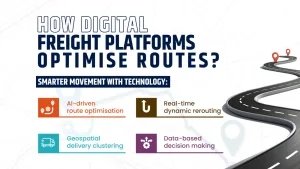
Digital freight platforms use technology to plan and adjust routes in a smarter way. Instead of relying on fixed paths, they analyse live data to reduce travel time, fuel use, and unnecessary detours. This makes freight movement faster and more efficient while lowering emissions.
AI-Driven Route Optimisation
These platforms use algorithms to analyse traffic conditions, road quality, delivery priorities, and vehicle capacity. The system selects routes that balance distance, time, and fuel efficiency rather than just choosing the shortest path.
Dynamic Rerouting in Real Time
When traffic jams, accidents, or weather issues occur, the platform updates routes instantly. Vehicles are redirected to better alternatives, helping avoid stop-and-go driving that wastes fuel and increases emissions.
Geospatial Delivery Clustering
Deliveries within the same area are grouped together. This reduces backtracking and overlapping routes, allowing one vehicle to complete multiple drops efficiently and cover fewer kilometres overall.
Reducing Carbon Emissions Through Better Vehicle Utilisation
Better vehicle utilisation is one of the most effective ways to cut emissions in freight transport. Digital freight platforms focus on keeping trucks loaded, moving efficiently, and avoiding unnecessary trips. This directly reduces fuel consumption and lowers carbon output.
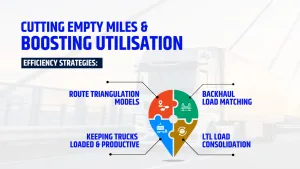
Backhaul Matching to Eliminate Empty Miles
Digital platforms automatically search for return loads once a delivery is completed. By matching trucks with nearby pickup requests, they reduce empty return trips. Fewer empty miles mean less fuel burned and lower emissions per shipment.
Load Pooling and LTL Consolidation
For smaller shipments, platforms combine multiple loads into one truck using less-than-truckload consolidation. This reduces the number of vehicles needed on the road, cutting total fuel use and emissions while keeping delivery schedules intact.
Route Triangulation Models
Instead of sending vehicles back to their base location empty, platforms direct them to nearby pickup points. This triangular movement pattern keeps trucks productive throughout the journey and improves overall trip efficiency.
Role of Automation in Cutting Fuel Waste
Automation removes many inefficiencies that cause fuel loss in freight movement. By reducing manual work and delays, digital freight platforms help vehicles spend more time moving and less time waiting, which lowers fuel consumption and emissions.
Automated Booking and Documentation
Digital booking replaces phone calls, emails, and paper forms. Shipments are confirmed faster, and documents are shared digitally. This reduces waiting time at pickup and delivery points, cutting down engine idling and unnecessary fuel use.
Real-Time Cargo Tracking
Automation allows continuous tracking of vehicle location and shipment status. When delays occur, planners can respond quickly instead of letting vehicles wait without action. Faster decisions help avoid long stoppages that waste fuel.
Predictive Scheduling and Dispatch Planning
Automated systems analyse past data and demand patterns to plan trips better. Vehicles are scheduled efficiently, reducing last-minute route changes, rushed driving, and repeated trips, all of which increase fuel consumption.
Measuring and Tracking Emissions Using Digital Platforms
Digital freight platforms help logistics operators move from assumptions to actual measurement. By tracking emissions accurately, businesses can identify problem areas, improve efficiency, and meet sustainability expectations from customers and regulators.
Carbon Emission Dashboards
Modern platforms provide dashboards that calculate emissions based on distance travelled, load weight, and fuel usage. Metrics such as emissions per tonne-kilometre help compare routes and shipments. This visibility allows planners to choose cleaner options and track improvement over time.
Telematics and Driver Behaviour Monitoring
Sensors installed in vehicles track idling time, harsh braking, rapid acceleration, and speed patterns. Poor driving behaviour leads to higher fuel consumption. Platforms use this data to guide drivers toward smoother driving, which improves fuel efficiency and reduces emissions.
Identifying Bottlenecks and Delay Points
By analysing route data, toll stoppages, and waiting times, platforms highlight areas where vehicles lose time and fuel. Addressing these bottlenecks helps reduce idling and supports more predictable, fuel-efficient freight movement.
Types of Digital Freight Platforms and Their Sustainability Role
Different types of digital freight platforms support sustainability in different ways. Each platform type addresses specific inefficiencies in freight movement, helping reduce fuel use, emissions, and operational waste while improving coordination across the supply chain.
Marketplaces for Cargo Transportation
These platforms connect shippers directly with available carriers. By matching loads quickly, they reduce vehicle idle time and waiting periods. Faster load matching also helps avoid empty runs, as trucks can find nearby shipments instead of returning without cargo. This improves vehicle utilisation and lowers fuel consumption.
Transportation Management Systems (TMS)
TMS platforms focus on planning, monitoring, and optimising freight operations. They help businesses design efficient routes, track shipments in real time, and analyse performance data. By improving route planning and reducing delays, TMS platforms support lower emissions and more predictable fuel use.
Freight Exchanges
Freight exchanges allow carriers and shippers to trade freight services in real time. This flexibility helps adjust to sudden demand changes and reduces last-minute empty trips. Better coordination through exchanges keeps trucks loaded more often, which directly cuts unnecessary fuel burn.
3PL and 4PL Logistics Platforms
These platforms offer outsourced logistics services supported by data analytics and optimisation tools. By managing transport at scale, they improve network efficiency, reduce duplication of trips, and support better hub-and-spoke planning. This leads to fewer vehicles on the road and lower overall emissions.
Specialised Industry Platforms
Specialised platforms serve sectors such as agriculture, pharmaceuticals, or hazardous goods. They ensure cargo moves safely while following strict handling rules. Efficient planning and reduced spoilage or re-transport help lower waste and avoid extra trips, supporting sustainable logistics practices.
Challenges in Adopting Digital Freight Platforms
While digital freight platforms offer clear efficiency and sustainability benefits, adoption is not always smooth. Several practical challenges can slow down implementation, especially for smaller logistics operators and fleet owners.
Initial Setup and Integration Costs
Digital platforms require investment in software, devices, and system integration. For small operators with tight margins, these upfront costs can feel difficult to manage, even if long-term savings are expected.
Skill and Training Requirements
Using digital tools needs basic technical skills. Drivers, planners, and operations staff may need training to use new systems effectively. Resistance to change and learning time can delay full adoption.
Data Security and System Dependence
Digital platforms rely heavily on data. Businesses must ensure secure data handling and protect sensitive shipment and customer information. System downtime or technical issues can also disrupt operations if backups are not in place.
Practical Steps to Implement Digital Freight Platforms
Implementing a digital freight platform works best when done in clear, manageable stages. A step-by-step approach helps reduce disruption, control costs, and ensure teams adapt smoothly.
Step 1: Review Current Freight Operations
Start by assessing existing routes, delivery timelines, fuel usage, and idle time. Identify common issues such as empty returns, delays, or frequent route changes. This helps define what problems the platform needs to solve.
Step 2: Select the Right Platform Type
Choose a platform based on business size and freight needs. Smaller operators may benefit from freight marketplaces or exchanges, while larger operations may need a full TMS or 3PL solution. Avoid overloading systems with features that are not required.
Step 3: Train Teams and Drivers
Provide basic training for planners, drivers, and operations staff. Focus on daily tasks such as booking, tracking, and communication. Clear guidance reduces resistance and improves adoption speed.
Step 4: Start With a Pilot Phase
Test the platform on selected routes or shipments. Monitor fuel use, delivery time, and operational issues. Use feedback to adjust processes before expanding usage across the network.
Step 5: Track Performance and Improve Gradually
Use platform reports to review efficiency gains, cost changes, and operational stability. Regular reviews help refine routing, scheduling, and platform settings for better long-term results.
Conclusion
Digital freight platforms are reshaping how goods move by focusing on efficiency at every stage of transportation. Smarter route planning, better vehicle utilisation, and automated processes help cut fuel waste and lower carbon emissions without slowing deliveries. These improvements also reduce costs and improve reliability across freight operations.
FAQs
Are Digital Freight Platforms Suitable For Small Fleet Owners?
Yes, many digital freight platforms are designed to work with small fleets. They help small operators access more loads, reduce waiting time, and plan trips better without needing large investments in technology or dedicated logistics teams.
How Quickly Can Logistics Businesses See Results After Adoption?
Results often appear within the first few months. Better load matching, fewer empty runs, and improved planning usually lead to lower fuel costs and smoother operations early in the adoption process.
Do Digital Freight Platforms Support Multi-Modal Transport?
Some platforms support road, rail, and coastal shipping options. This helps businesses choose transport modes based on cost, time, and environmental impact, especially for long-distance freight movement.
Can Digital Freight Platforms Help With Regulatory Compliance?
Yes, many platforms store digital records related to shipments, routes, and transit time. These records make it easier to respond to audits, compliance checks, and documentation requirements without manual paperwork.
What Should Businesses Check Before Choosing a Digital Freight Platform?
Businesses should check platform compatibility with their fleet size, route types, support quality, data security measures, and ease of use. Starting with a pilot helps assess whether the platform meets operational needs.